
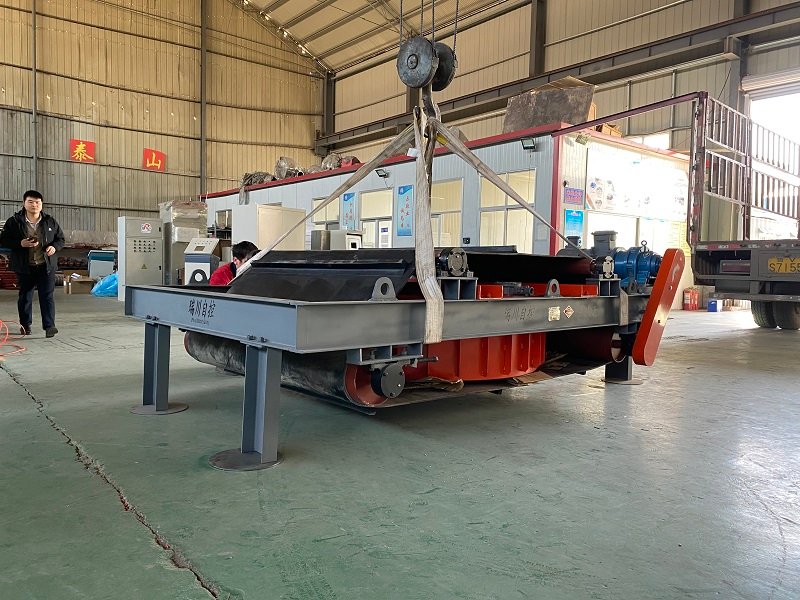
Magnetic Separator for Bulk Material Handling Selection Guide
In many cement, mining, chemical, fertilizer and recycling production lines, a Magnetic Separator for Bulk Material Handling is used to remove ferrous metal from material moving on belt conveyors, chutes or transfer points. The purpose is practical: protect crushers, mills, packing machines, conveyors and downstream process equipment from tramp iron.
For actual projects, the correct magnetic separator is not selected only by magnet size. Material type, capacity, belt width, belt speed, material layer thickness, particle size, moisture, installation space, dust, vibration and cleaning method should all be checked before quotation.
What Is a Magnetic Separator for Bulk Material Handling?
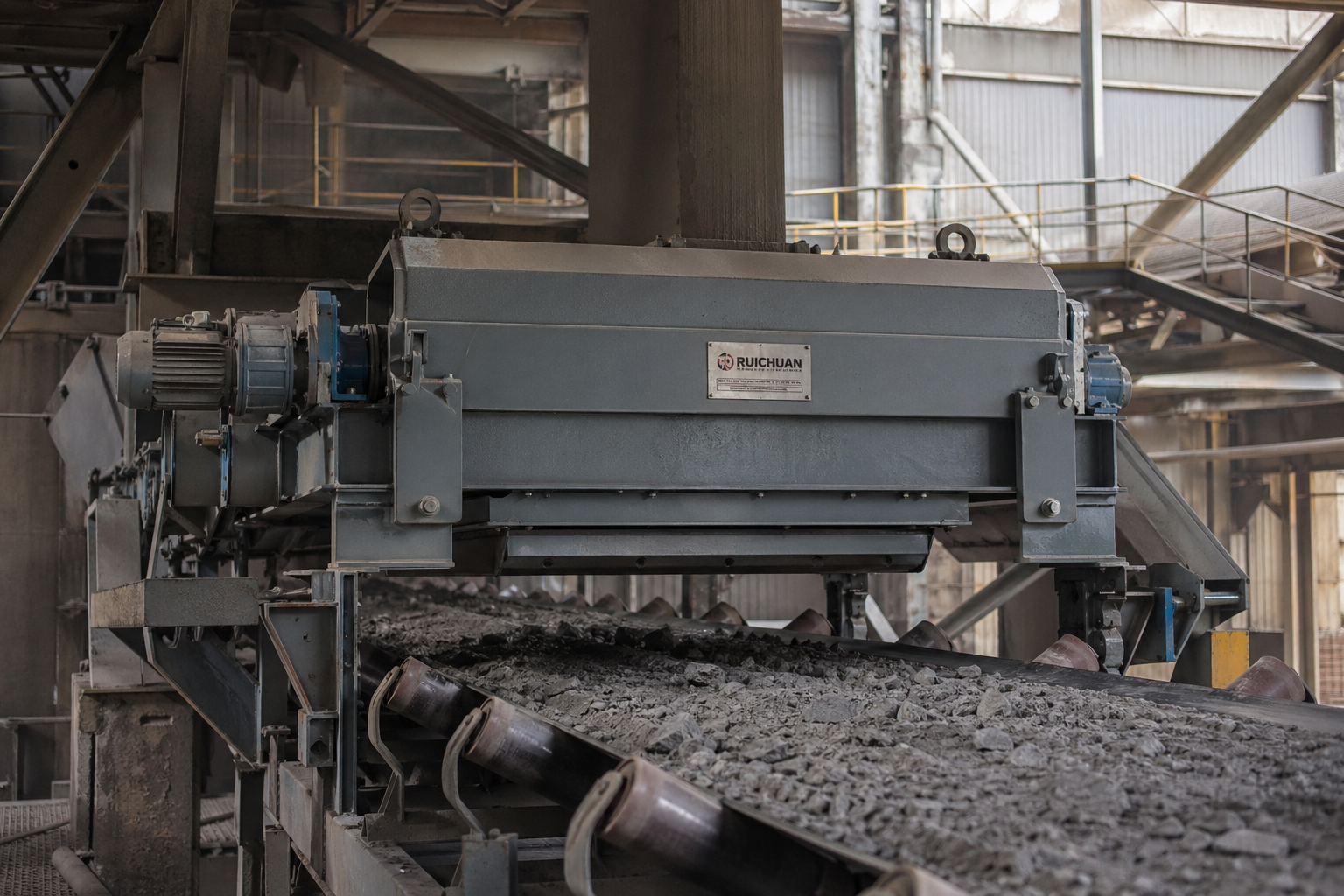
A magnetic separator for bulk material handling is a separation device installed near material conveying equipment to attract and remove ferrous metal. It is commonly installed above a belt conveyor, near the conveyor head pulley, or at a transfer point where material flow is stable and maintenance access is available.
In cement plants, it helps remove iron pieces from limestone, clinker, gypsum, coal and mixed raw materials. In mining plants, it can protect crushing and screening equipment from metal contamination. In recycling plants, it helps separate ferrous metal from mixed material streams before further sorting or processing.
Final configuration should be confirmed according to the actual process flow. Some lines require manual-cleaning magnetic separators, while continuous production lines often need self-cleaning iron removers with automatic discharge.
Where Magnetic Separators Are Commonly Used
Metal contamination may come from worn equipment, bucket teeth, bolts, welding pieces, screen wire, tools or mixed raw materials. A magnetic separator can be used as part of the protection system for the whole conveying line.
Limestone conveyors, raw material preparation, clinker handling, gypsum conveying and coal handling.
Ore conveyors, aggregate crushing lines, screening lines, transfer stations and mineral processing lines.
Mixed waste sorting, scrap processing, construction waste, glass, plastic and bulk material recycling lines.
- Chemical and fertilizer plants: powder, granule and bulk solid handling before batching, storage or packing.
- Building materials plants: sand, aggregate, dry mortar, gypsum material and other conveyor systems.
- Power plants and steel plants: coal handling, slag handling and other bulk material transfer points.
For reference applications, visit RUICHUAN industrial application cases. For related machines, check the RUICHUAN product range.
Main Configuration and Working Principle
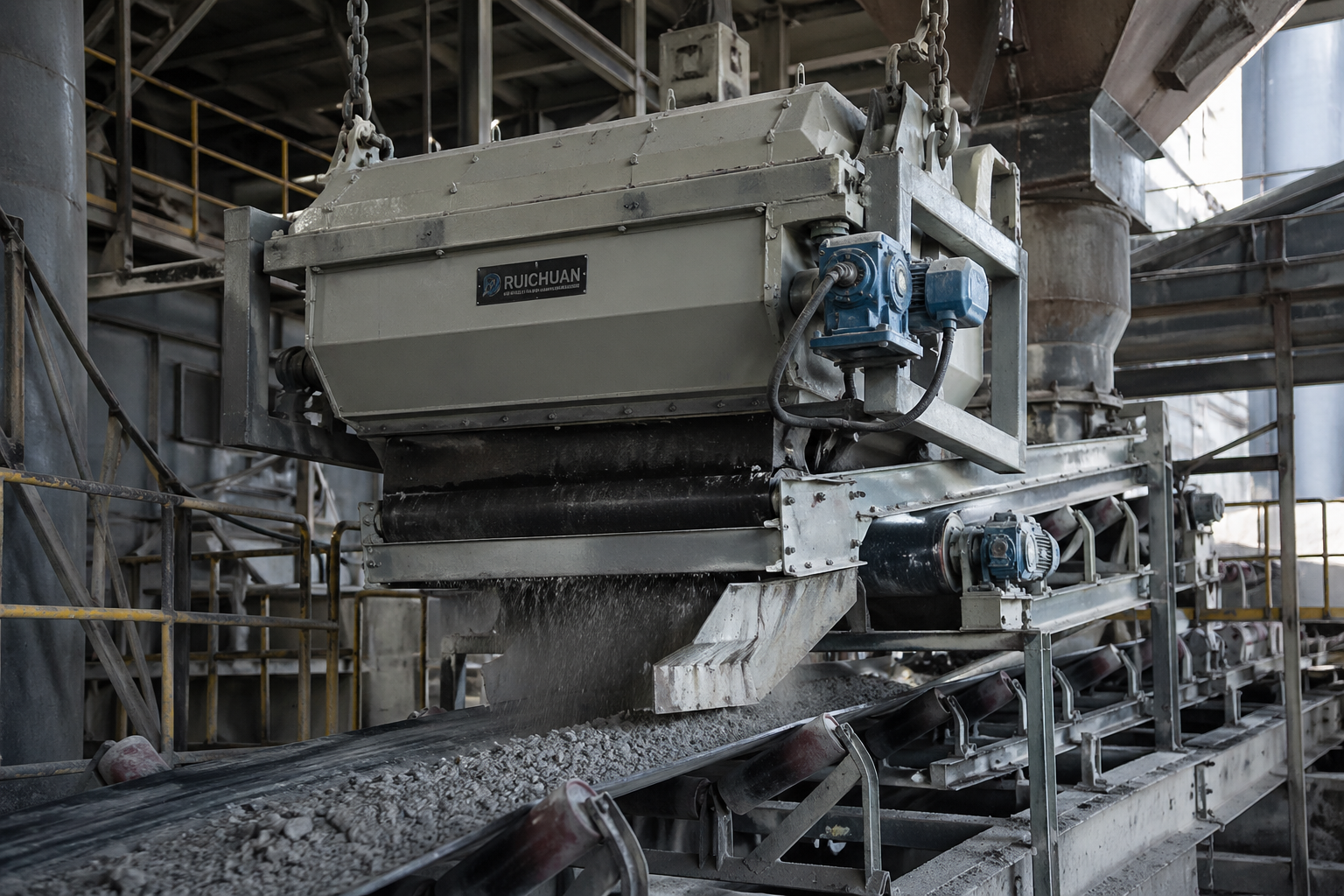
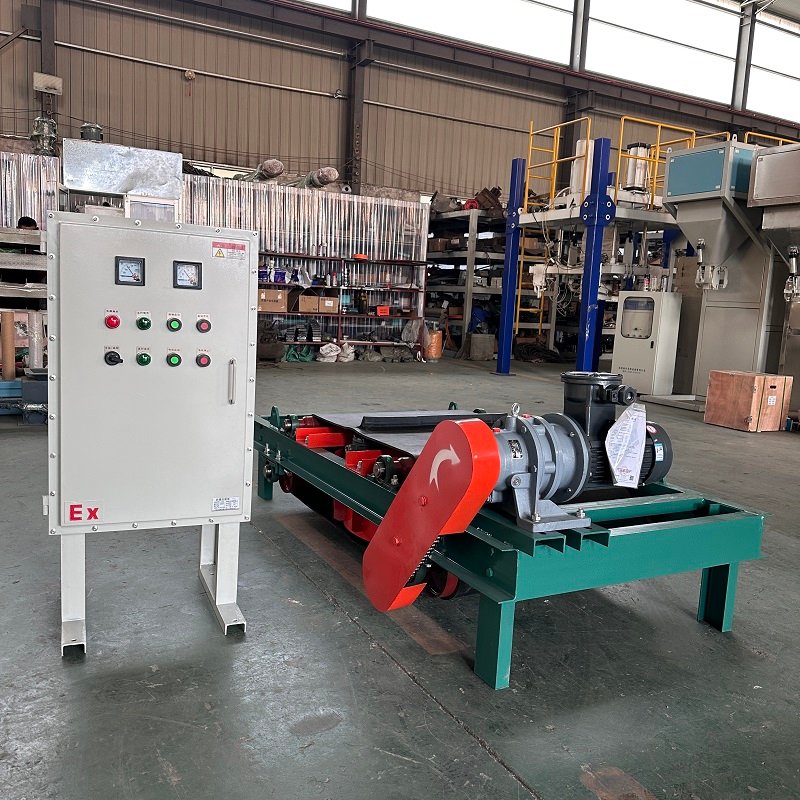
A typical magnetic separator for conveyor systems includes a magnetic core, frame, suspension structure, cleaning device or discharge belt, drive unit if self-cleaning is required, and optional electrical control cabinet. The separator is usually installed above the conveyor belt or near the discharge point where the material layer is easier to penetrate.
When bulk material passes through the magnetic field, ferrous metal is attracted and separated from the material stream. For a manual-cleaning type, the collected iron needs to be cleaned regularly according to site procedures. For a self-cleaning type, the separator belt continuously carries attracted iron away from the main material flow.
In automated bulk material handling systems, the magnetic separator may work together with belt conveyors, belt scales, metal detectors, dust collectors and PLC control systems. RUICHUAN can help check how the separator fits with upstream and downstream equipment.
Magnetic Separator Selection Guide
Selection should start from the actual site, not only from a model list. Before quotation, RUICHUAN usually needs to confirm conveyor width, belt speed, material layer thickness, particle size, moisture, installation height, metal size to be removed and whether automatic cleaning is required.
| Selection Factor | Why It Matters | Information Needed Before Quotation |
| Material type | Different materials have different bulk density, flowability, abrasiveness and dust conditions. | Material name and basic material characteristics |
| Capacity | Capacity affects conveyor loading, material layer thickness and separator size. | Customized according to material and capacity |
| Moisture | Wet or sticky material may affect flow, cleaning and separation performance. | Depends on project conditions |
| Particle size | Large lumps and fine powder behave differently under the magnetic field. | Maximum particle size and normal size range |
| Belt width | The magnetic field should cover the required material flow area. | Conveyor belt width and troughing condition |
| Belt speed | Fast belt speed may require stronger magnetic force or a better installation position. | Actual belt speed or conveyor design data |
| Installation height | Too much distance between magnet and material may reduce separation effect. | Available space above belt or chute |
| Cleaning method | Manual cleaning is simple, while self-cleaning is better for continuous operation. | To be confirmed before quotation |
| PLC control | Some lines require start-stop interlock, alarm signal or centralized control. | Control voltage, signal requirements and PLC interface |
Engineering Notes for Site Installation
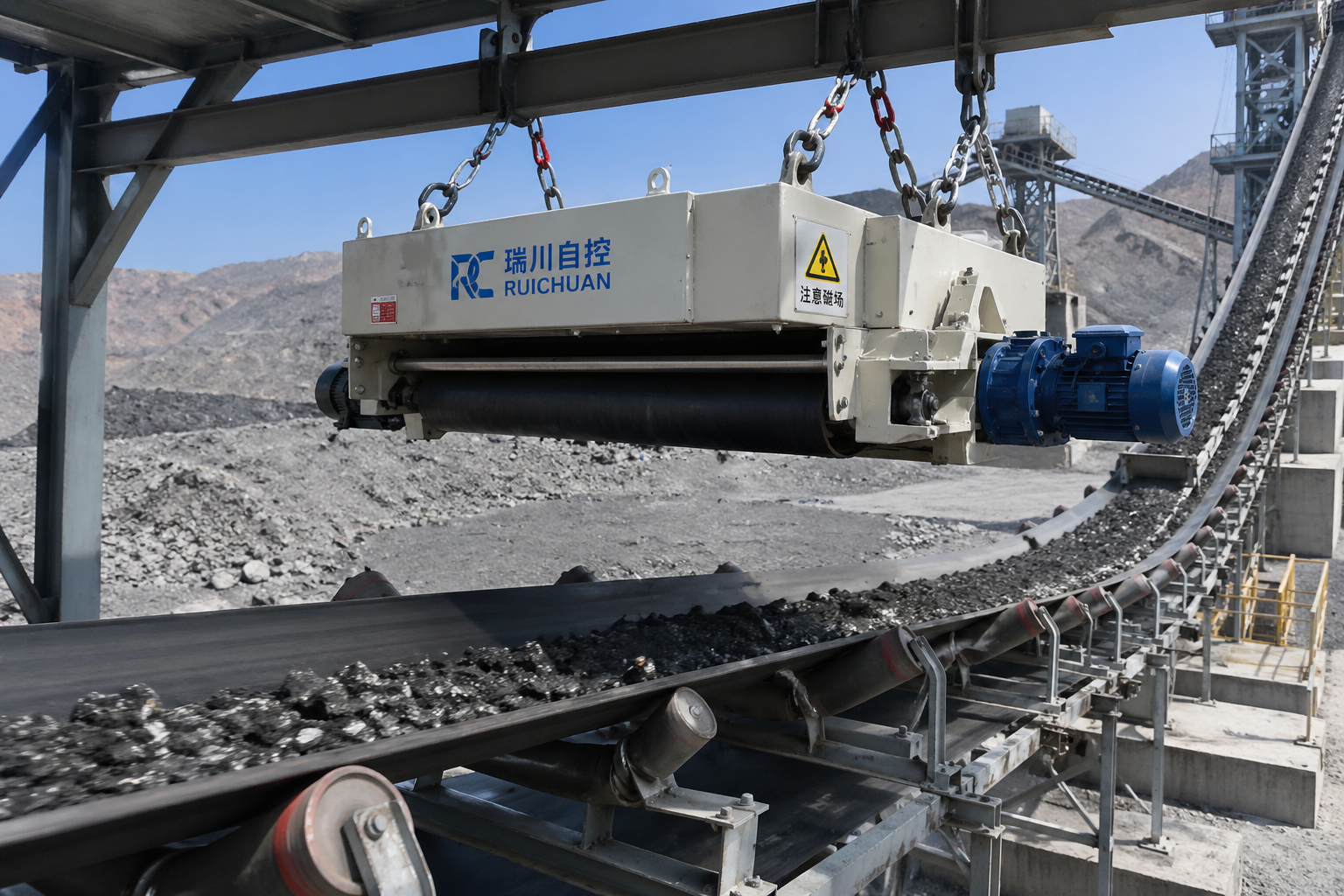
In site selection, the installation position should allow stable material flow, enough magnetic coverage and safe access for inspection. The separator should not interfere with conveyor guards, dust covers, walkways, maintenance platforms or upstream and downstream equipment.
1. Material Layer and Installation Height
The magnetic field must reach the ferrous metal inside the material layer. If the material bed is too thick, or the separator is installed too high above the belt, the separation effect may be reduced. For actual projects, belt loading and material layer thickness should be checked together.
2. Dust, Moisture and Sticky Material
Cement, mining and recycling plants often have dust, impact and vibration. Dust covers, inspection space and cleaning access should be considered during layout design. For dust-related safety review, plant engineers may refer to OSHA combustible dust information and the NIOSH dust control handbook.
3. Structural Support and Vibration
The support frame should be strong enough for the separator weight and site vibration. The installation should also allow safe access for cleaning, inspection and adjustment.
4. Coordination with Metal Detector
Some lines use both a magnetic separator and a metal detector. The magnetic separator removes ferrous metal, while the metal detector helps identify metal contamination that may not be removed by magnetic force. Their installation positions should be designed carefully to avoid signal interference.
5. Maintenance Access
Manual-cleaning magnets need safe cleaning access. Self-cleaning separators need space for the discharged iron path and maintenance of the drive unit, bearings and belt. Before final design, site photos and layout drawings are helpful for confirming installation space.
Magnetic Separator for Cement, Mining and Recycling Plants
Cement Plants
In cement production, tramp iron may damage crushers, mills, belt conveyors and packing equipment. Magnetic separators are often installed in limestone conveying, raw material feeding, clinker handling, gypsum conveying and coal handling areas. RUICHUAN can also provide related belt scale, conveyor and automation control equipment for cement bulk material lines.
Mining Plants
Mining lines usually handle abrasive ore, aggregate, coal, limestone or other minerals. The separator may be installed before crushers, screens, mills or transfer points to reduce the risk of metal damage. For mining projects, dust exposure and worker safety should be reviewed according to local regulations and references such as MSHA respirable crystalline silica information.
Recycling Plants
Recycling plants often handle mixed materials with unstable composition. Ferrous metal may be mixed with plastic, glass, construction waste, paper, wood, slag or other materials. The final line may also need screening, eddy current separation, metal detection, dust collection and manual sorting. You can review industrial application cases or contact RUICHUAN for project discussion.
Why Choose RUICHUAN for Magnetic Separation Equipment?
Weifang Ruichuan Automatic Control Equipment Co., Ltd. is located in Shandong, China. RUICHUAN focuses on bulk material handling equipment and automation control systems, including magnetic separators, iron removers, belt scales, quantitative belt conveyors, loss-in-weight conveyors, batching systems, packing scales, metal detectors, dust collectors and conveyors.
For actual projects, RUICHUAN does not recommend a fixed model without checking the working conditions. Technical communication usually starts from material name, capacity, belt width, belt speed, particle size, moisture, installation space, process flow and control requirements.
- Customized equipment design according to project requirements
- Project-based configuration for cement, mining, chemical, fertilizer and recycling lines
- Technical communication before quotation
- Experience with conveyors, weighing systems, magnetic separation and automation control
- Support for matching upstream and downstream equipment layout
To review more equipment options, visit the RUICHUAN product range. For project discussion, you can directly contact RUICHUAN.
FAQ About Magnetic Separator for Bulk Material Handling
What information is needed to select a Magnetic Separator for Bulk Material Handling?
Please provide material name, required capacity, particle size, moisture, belt width, belt speed, material layer thickness, installation space, site photos, process flow and technical requirements. Final configuration should be confirmed according to actual site conditions.
What is the difference between manual-cleaning and self-cleaning magnetic separators?
Manual-cleaning magnetic separators require regular cleaning according to site procedures. Self-cleaning magnetic separators use a discharge belt to remove collected iron continuously. The choice depends on iron content, working hours, maintenance access and project conditions.
Where should the magnetic separator be installed on a belt conveyor?
It is commonly installed above the conveyor belt or near the discharge point where material flow is stable and the magnetic field can reach the ferrous metal. The final position should consider belt width, material layer, installation height, maintenance access and surrounding equipment.
Can RUICHUAN supply related equipment for the same bulk material handling line?
Yes. RUICHUAN can provide magnetic separators, iron removers, belt scales, conveyors, batching systems, packing scales, metal detectors, dust collectors and automation control systems. The final scope depends on the actual process flow and technical requirements.
How can I get a quotation for a magnetic separator project?
For accurate equipment selection, please send RUICHUAN your material name, required capacity, particle size, moisture, site photos, installation space, process flow and technical requirements before quotation.
Contact RUICHUAN for Project Selection
For accurate equipment selection, please send us your material name, required capacity, particle size, moisture, site photos, installation space, process flow and technical requirements.
Email: info@ruichuanauto.com
WhatsApp: +8618553627159
Contact RUICHUAN: /contact-us/
You can also visit RUICHUAN products or review application cases before sending your inquiry.